What’s the #1 Baby Bottle? How to Choose the Right One
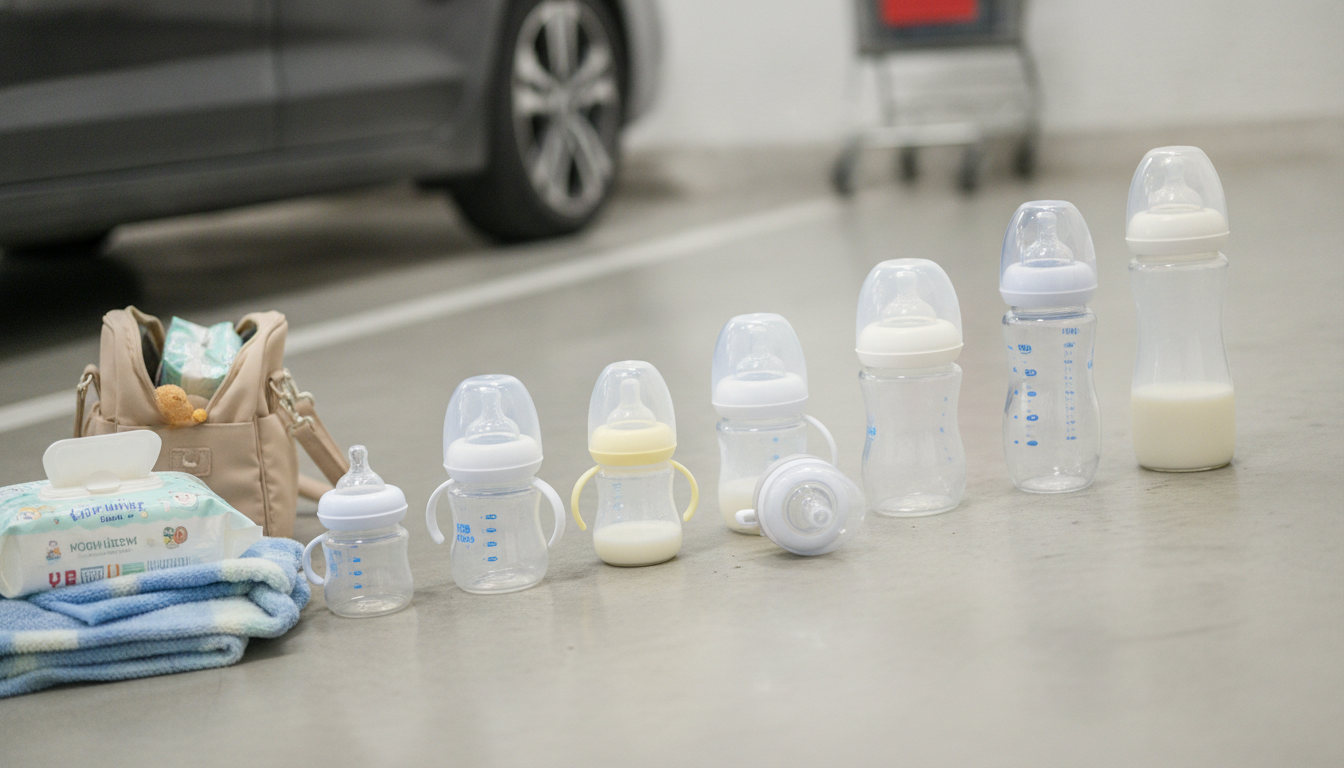
What is the #1 baby bottle?
There isn’t a single “#1 baby bottle” that works best for every baby, but the closest thing to a top pick is the one that consistently fits your baby’s feeding style, reduces gas, and is easy for you to clean and use every day. For many families, that usually means an anti-colic bottle with a dependable venting system, a nipple flow that matches age and appetite, and a shape that’s comfortable to hold during longer feeds.
What typically makes a baby bottle rise to the top?
Parents tend to rank bottles highest when they help prevent air intake (which can mean less spit-up and fussiness), have a nipple baby will actually accept, and don’t leak in a diaper bag. Practical details matter too: clear measurement markings, parts that are easy to replace, and a design that doesn’t require special tools to scrub clean.
How to pick the best “#1” option for your baby
Start with your baby’s needs. If gas or colic is a common issue, prioritize a true vented design. If you’re switching between breast and bottle, look for a nipple shape and flow that supports a steady, controlled pace (often with a slower flow to start). Also consider material: plastic is lightweight and durable, glass is long-lasting and stain-resistant, and silicone can be soft and grippy.
When to switch bottles or nipple flows
If feeds take too long, baby collapses the nipple, or gets frustrated and pulls away, the flow may be too slow. If milk drips too fast, baby coughs, gulps, or leaks milk from the corners of the mouth, the flow may be too fast. Even a “top-rated” bottle won’t feel #1 if the nipple flow doesn’t match your baby right now.
For a deeper breakdown of what to look for (including bottle types, materials, and practical shopping tips), visit the main guide here: https://childhooddiscoveries.shop/what-is-the-baby-bottle/.
FAQ
How do I know which nipple flow is right for my baby?
Choose the slowest flow that allows comfortable feeding without frustration. Signs the flow is wrong include coughing or gulping (too fast) or very long feeds with tiring and nipple collapsing (too slow).










Leave a comment