Adults Using Baby Bottles: Safety, Hygiene, and Teeth
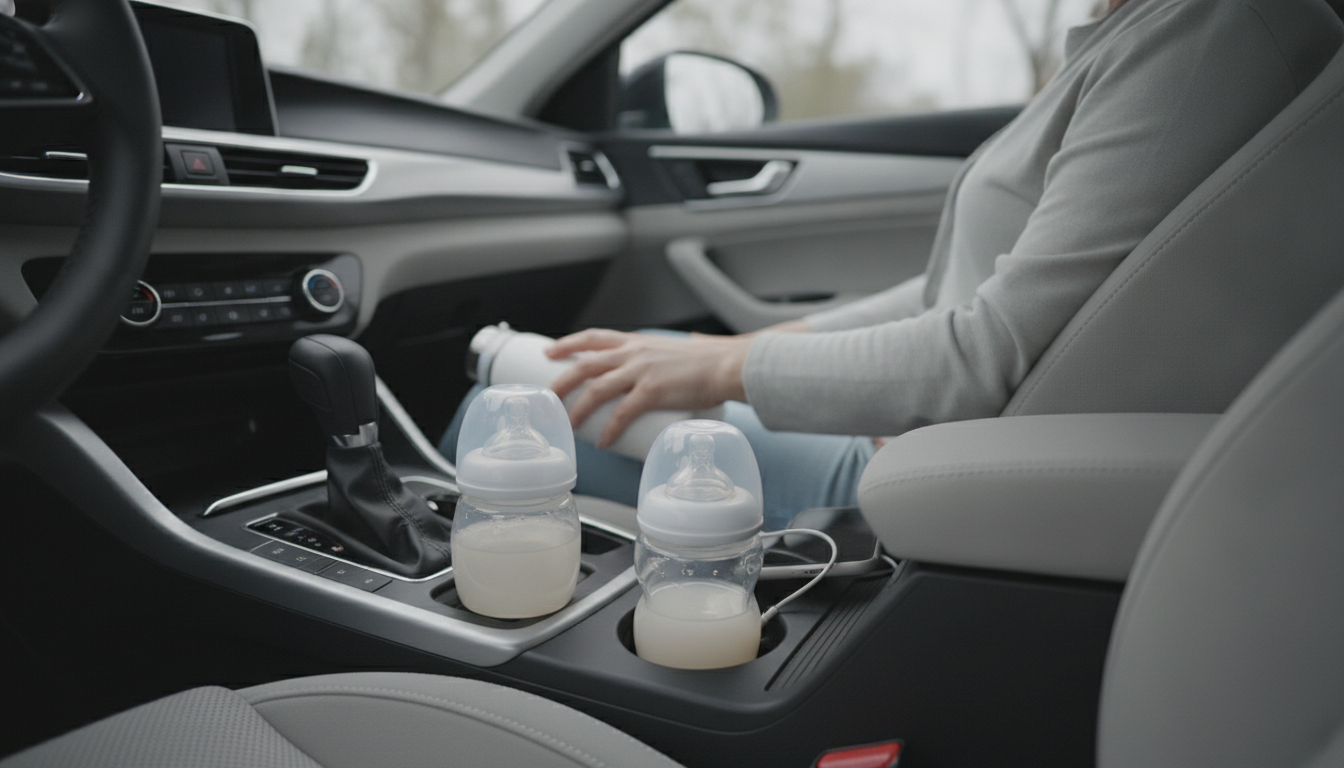
Can adults drink from a baby bottle?
Yes—adults can physically drink from a baby bottle, and it isn’t inherently dangerous for a healthy person when the bottle is clean and used appropriately. Some adults use baby bottles for convenience (measuring small amounts), comfort, sensory reasons, or specific medical needs. The bigger considerations are hygiene, dental health, and whether the bottle’s flow rate and nipple material make sense for an adult’s routine.
Is it safe and sanitary?
It can be safe if the bottle and nipple are washed thoroughly after every use and dried completely to prevent bacteria or mold. Replace nipples that look cloudy, sticky, cracked, or retain odors. Avoid sharing bottles, and don’t leave milk, formula, or sweet drinks sitting in the bottle for long periods—those increase bacterial growth risk.
Could it affect teeth or jaw?
For adults, occasional use is unlikely to change jaw development, but frequent sipping—especially on sugary or acidic drinks—can raise the risk of cavities because liquid can pool around teeth during slow, prolonged drinking. If using a bottle often, stick to water, rinse your mouth afterward, and keep up with regular brushing and dental visits.
Does the type of drink matter?
Yes. Water is the lowest-risk option. Sweetened beverages, juice, soda, and even frequent milk sipping can increase cavity risk and may be harder to clean from nipples and bottle parts. Warm liquids should be tested carefully to avoid burns, since nipples can deliver a steady stream.
When might a baby bottle be useful for an adult?
In some cases, it may help with controlled portioning, paced sipping, or certain sensory/comfort routines. For people with medical or mobility challenges, a bottle can be easier to hold than a cup. If there’s any swallowing difficulty or aspiration risk, a clinician (doctor or speech-language pathologist) should guide what’s safest to drink and how.
For a deeper look at practical pros, cons, and tips for choosing and cleaning bottles, visit https://childhooddiscoveries.shop/can-adults-drink-from-a-baby-bottle/.
FAQ
Is it unhealthy to drink from a bottle every day?
Daily use isn’t automatically unhealthy, but frequent, prolonged sipping—especially of sweet or acidic drinks—can increase cavity risk and make cleaning more critical. Using water, cleaning thoroughly, and avoiding all-day bottle use lowers most concerns.









Leave a comment